The Charm of Ancient Thai Flowers and Traditional Fragrant Plants You Should Know
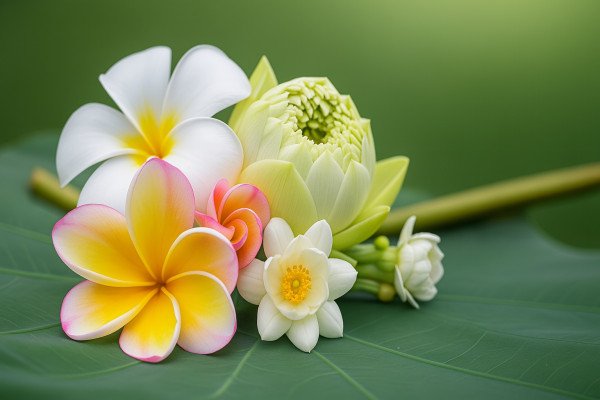
In Thai culture, flowers are more than just decorations or beautiful gifts. They are symbols of love, respect, and deep cultural significance. Many ancient Thai flowers have been used in traditional ceremonies from the past to the present, whether for religious offerings, expressions of love and gratitude, or sharing good wishes.
This article compiles insights from three reliable sources to help you explore the language of flowers and the meanings behind Thai blooms in greater depth. It also introduces traditional Thai fragrant plants you should know about, including Thai birth month flowers, popular fragrant plants grown in Thai gardens, and rare ancient flowers that are at risk of disappearing.
Each of these plants reflects Thai wisdom and the natural beauty that deserves to be preserved and passed on for future generations.
source: royalparkrajapruek.org
The Language of Thai Flowers: Meanings Behind Each Blossom
Thai flowers are more than just botanical beauties; they are integral to the nation's culture, spirituality, and ancient wisdom. For centuries, Traditional Fragrant Plants varieties have been carefully selected for use in ceremonies and to cultivate good fortune, wealth, and spiritual peace.
Dive into the profound meanings and cultural roles of these List of Ancient Thai Flowers (Dok Mai Mongkol) to understand the "Language of Flowers" as spoken by Thai tradition.
source: dmc.tv
White & Fragrant Blooms: Symbols of Purity, Serenity, and High Status
White flowers with cooling, sweet scents are essential in Thai ceremonies, representing cleanliness, pure love, and a clear mind.
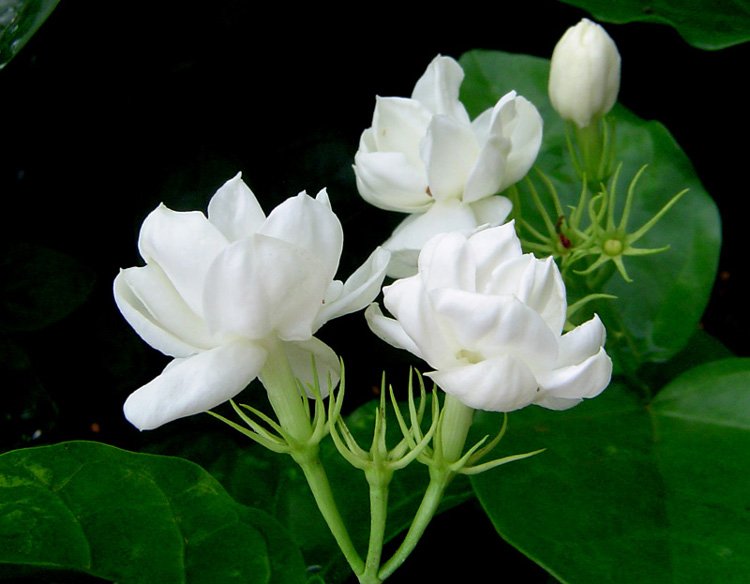
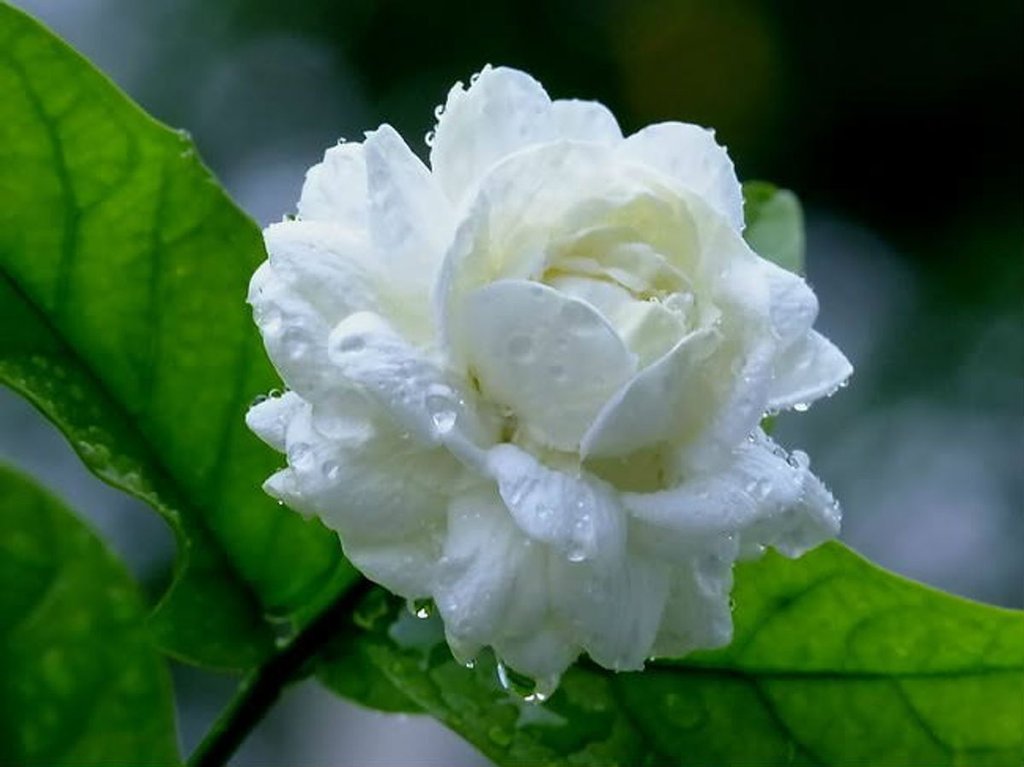
1. Jasmine (Dok Mali / Jasminum sambac)
Jasmine, known in Thai as Dok Mali, represents pure love, gratitude, and fidelity. It holds deep emotional meaning in Thai culture as the symbol of a mother’s pure and unconditional love. Often used in making traditional Thai perfume (Nam Ob), jasmine is also believed to promote genuine affection when planted around the home.
source: ribox2you.com
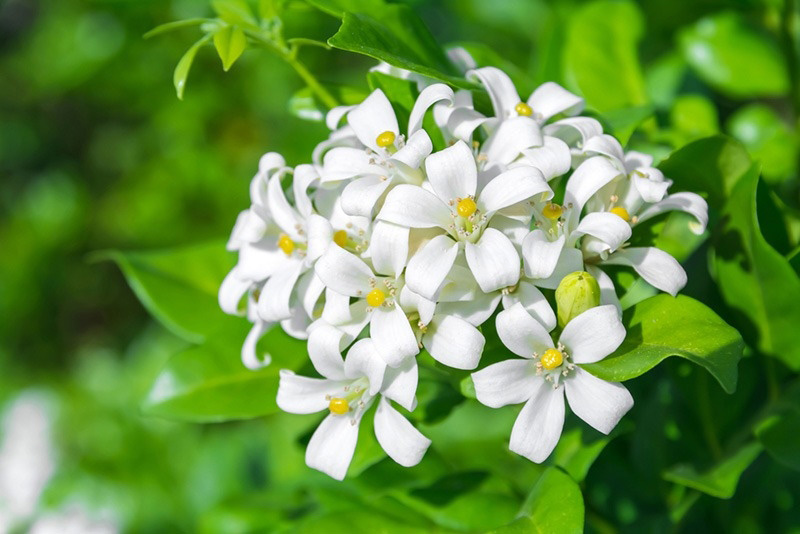
2. Orange Jasmine (Dok Kaew / Murraya paniculata)
Known as Dok Kaew in Thai, the Orange Jasmine tree embodies bliss, purity, and wealth attraction. The name “Kaew,” meaning “glass” or “jewel,” signifies something precious and valuable. In Thai tradition, planting it on the east side of a house is believed to bring clarity of mind and attract prosperity.
source: b9mart.com
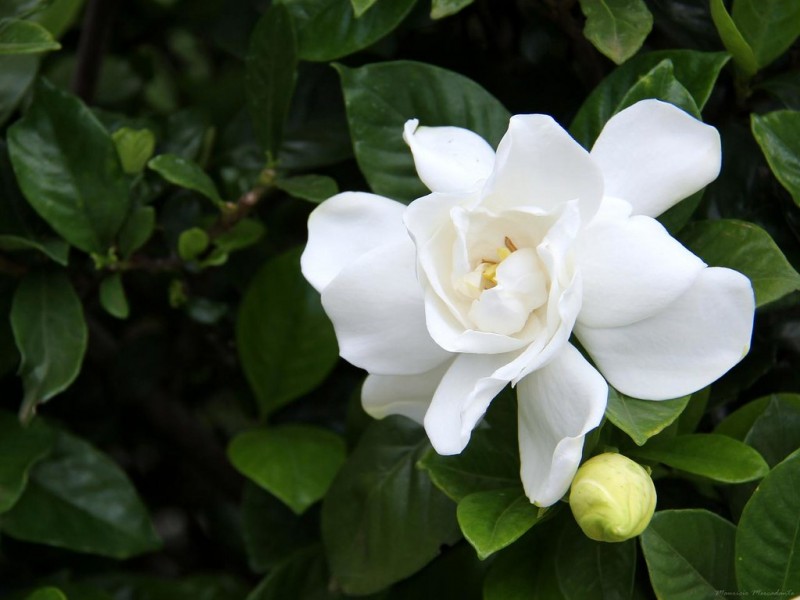
3. Gardenia (Dok Phut / Gardenia jasminoides)
The Thai Dok Phut flower symbolizes stability, prosperity, and longevity. Its name is linked to the word “Phut-tha-na,” which means continuous growth. Often used in religious offerings and ceremonies, Gardenia represents steady development and the strength to overcome obstacles.
source: disthai.com
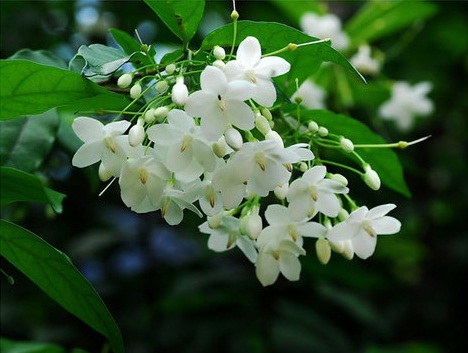
4. Indian Cork Tree (Dok Mok / Wrightia religiosa)
Dok Mok, or Indian Cork Tree, carries the meaning of peace, serenity, and liberation from suffering. Its name is derived from “Mokkha,” the Pali word for Nirvana, symbolizing freedom from worldly attachments. This flower is frequently planted to create a tranquil environment and promote inner peace.
source: colliplus.com
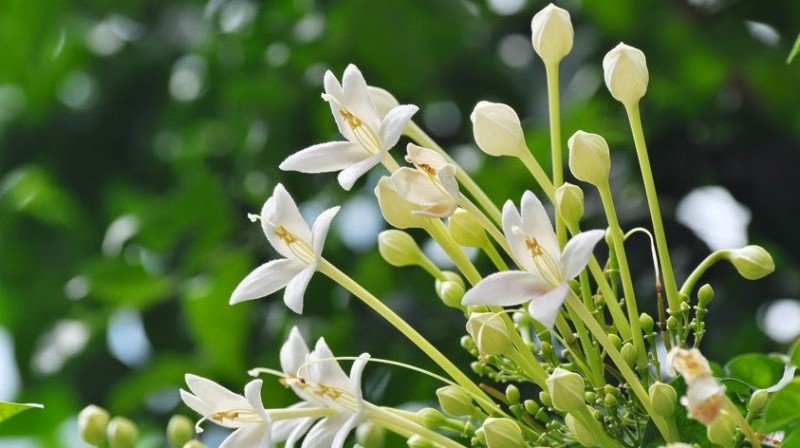
5. Cork Tree (Dok Peep / Millingtonia hortensis)
Dok Peep, known as the Cork Tree, represents fame, honour, and high social standing. Its strong fragrance, especially noticeable at night, symbolizes one’s reputation spreading far and wide. According to Thai belief, planting this tree enhances success, recognition, and respect from others.
source:disthai.com
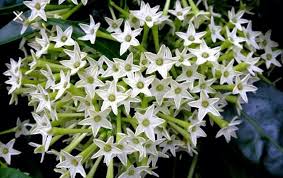
6. Night Jasmine (Dok Ratree / Cestrum nocturnum)
The Dok Ratree or Night Jasmine blooms after sunset, releasing its soothing fragrance through the night. It signifies hidden charm and tranquility. The flower’s nocturnal beauty reflects a mysterious charisma and contributes to a peaceful, relaxing atmosphere in the home.
source: kaset.today
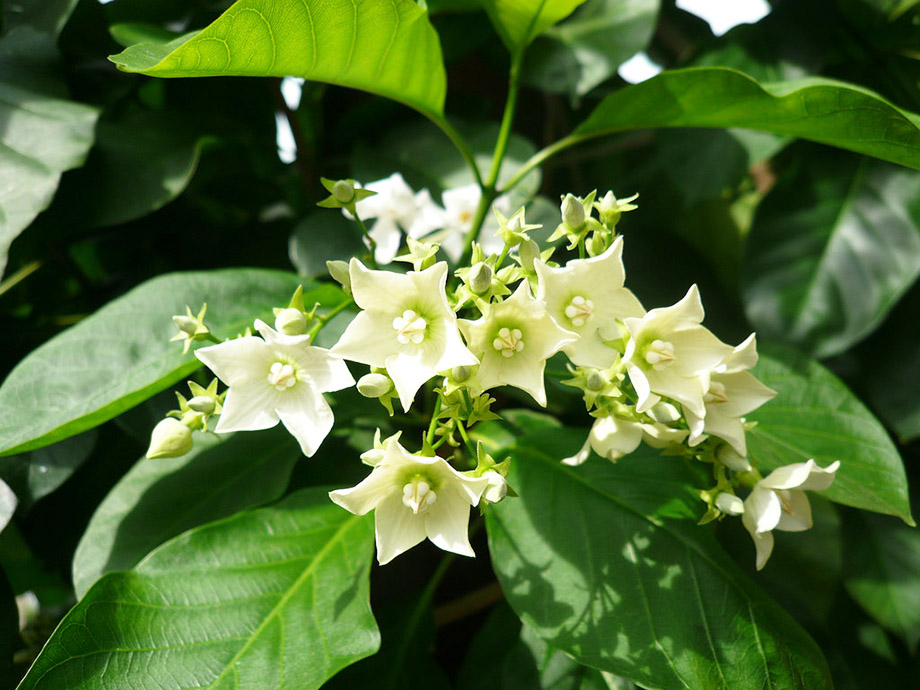
7. Bread Flower (Dok Chomnard / Vallaris glabra)
Known for its unique scent that resembles freshly steamed jasmine rice, Dok Chomnard symbolizes career advancement and prosperity. Traditionally seen as a flower of high social status, it is believed that planting it on the north side of a house can bring success and professional growth.
source: banidea.com
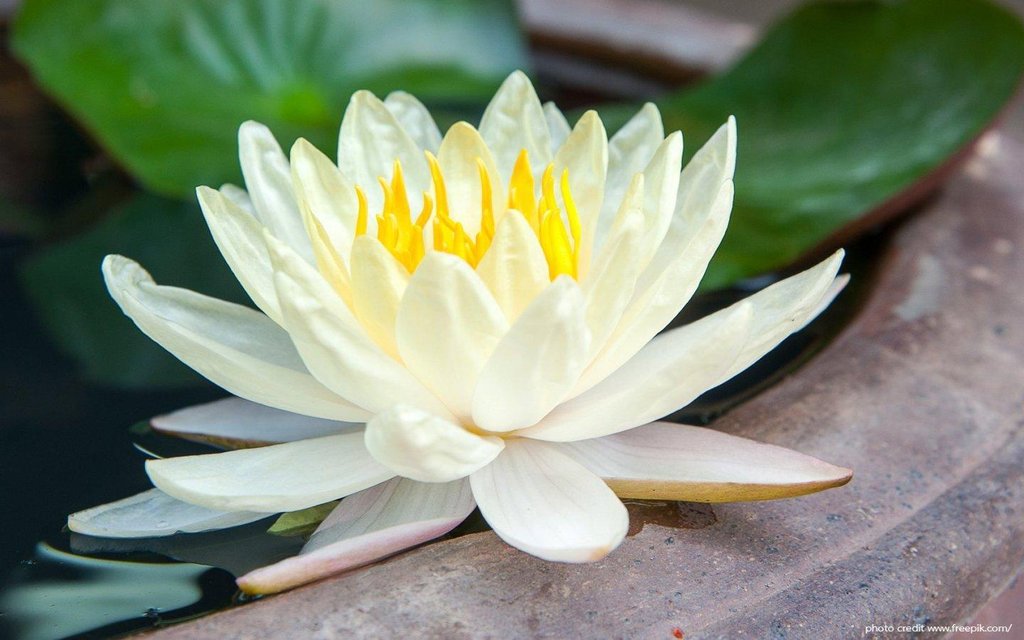
8. Lotus (Dok Bua / Nelumbo nucifera)
The Lotus, or Dok Bua, is the most sacred flower in Buddhism and a powerful symbol of purity, enlightenment, and spiritual success. Growing beautifully above muddy water, it represents rising above difficulties and achieving both spiritual and worldly accomplishments. Offering lotus flowers in worship is believed to bring great merit and success.
source: dmc.tv
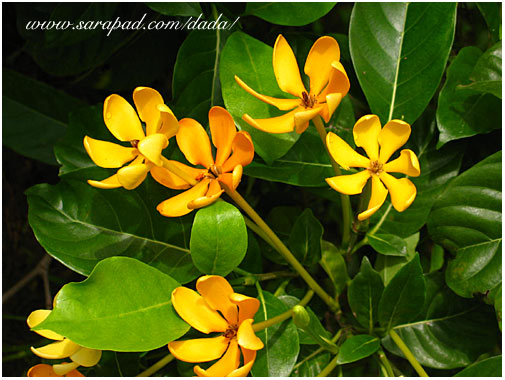
9. Golden Gardenia (Dok Phut Nam But / Gardenia carinata)
This unique flower, Dok Phut Nam But, carries auspicious meanings of wealth, good fortune, and value. What makes it special is its transformation, white petals turn golden yellow after a day. The golden hue is seen as a strong magnet for prosperity and abundance, making it a favorite among auspicious plants.
source: jittinflowers.blogspot.com
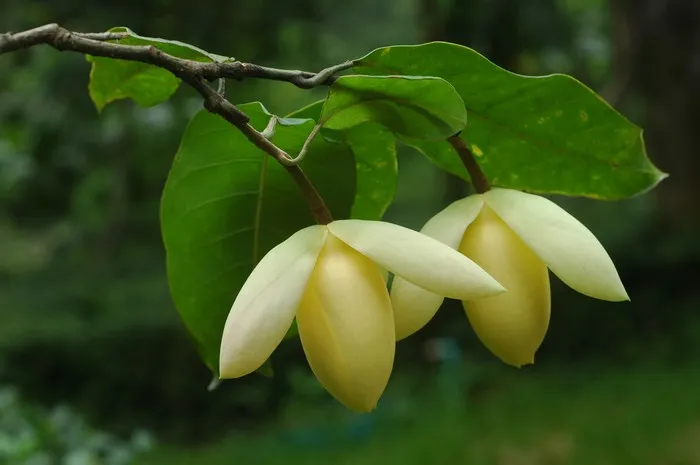
10. Magnolia (Dok Montha / Magnolia liliifera)
Dok Montha, or Magnolia, is revered as a heavenly flower symbolizing divine protection and blessings. In Thai belief, it is thought to possess the power to ward off evil spirits and attract positive, sacred energy. The flower’s elegance and spiritual significance make it a timeless emblem of purity and good fortune.
source:cheewajit.com
Vibrant & Durable Blooms: Cultivating Wealth, Respect, and Lasting Bonds
This group emphasizes beliefs regarding wealth, strong familial bonds, and obtaining respect.
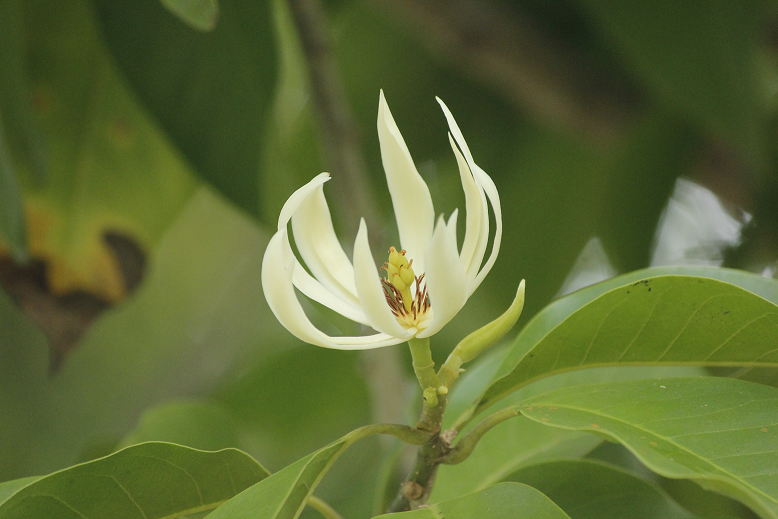
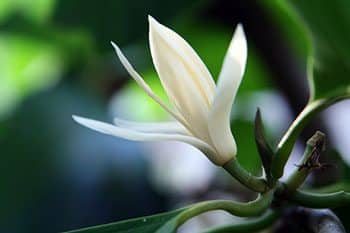
1. White Champaca (Dok Jumpee / Magnolia x alba)
Known as Dok Jumpee, the White Champaca is admired for its soft, lingering fragrance often mentioned in ancient Thai literature. It symbolizes career progress and advancement. Thais believe that planting this flower helps ensure a smooth and successful professional journey.
source: medthai.com
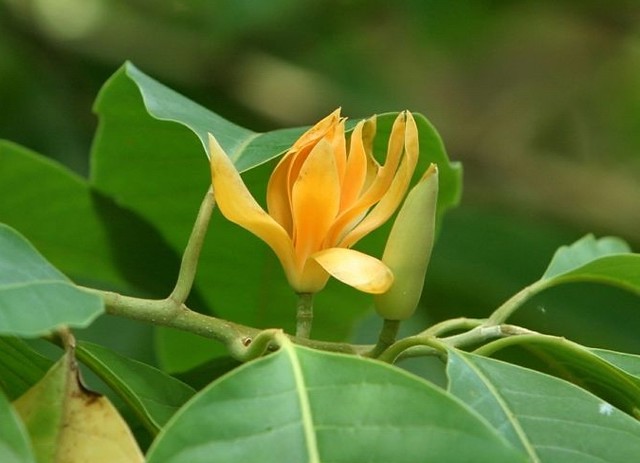
2. Red Champaca (Dok Jampa / Magnolia champaca)
Dok Jampa, or Red Champaca, carries meanings of kindness, good luck, and Metta (loving-kindness). Its golden-orange hue represents prosperity and good fortune. Planting it is believed to enhance compassion and foster positive relationships among people.
source: cdisthai.com
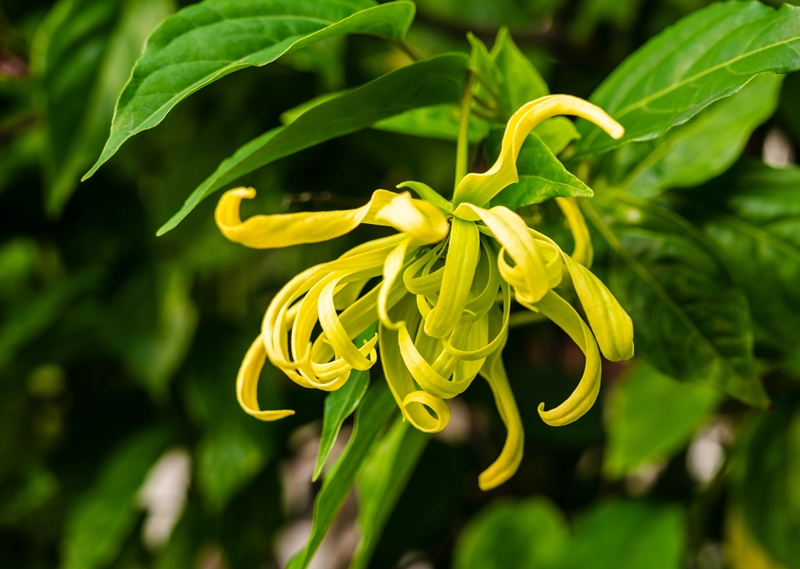
3. Ylang-Ylang (Dok Krunganga / Cananga odorata)
The Ylang-Ylang tree, known in Thai as Dok Krunganga, stands for wealth, high rank, and widespread fame. Its strong and captivating fragrance once used to perfume clothes and food, is said to reflect the spreading of one’s reputation and success.
source: home.kapook.com
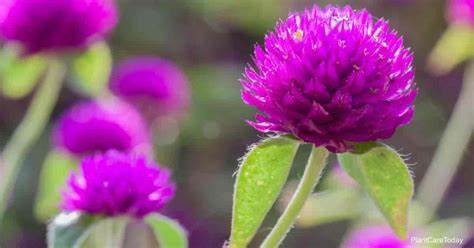
4. Globe Amaranth (Dok Barn Mai Roo Roy / Gomphrena globosa)
This beautiful flower, Dok Barn Mai Roo Roy, literally means “Blooms and Never Withers.” It symbolizes everlasting love and steadfastness. Commonly used in Thai wedding ceremonies, it blesses couples with eternal love and harmony.
source: disthai.com
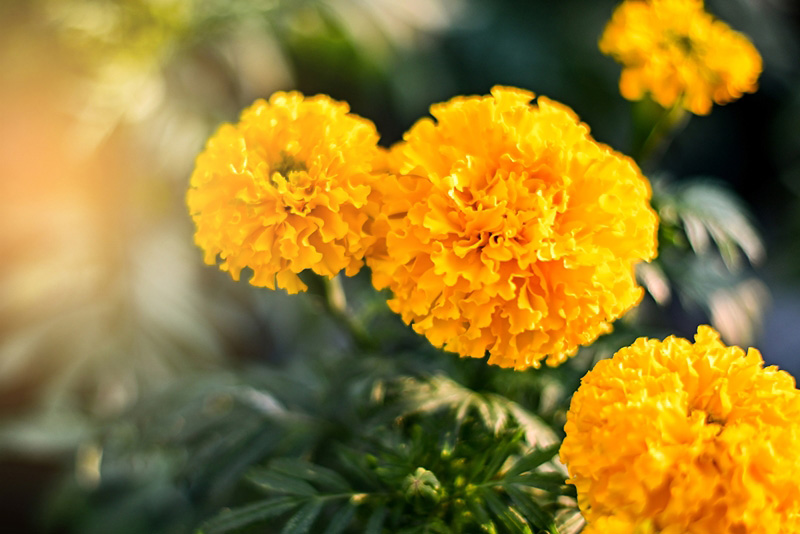
5. Marigold (Dok Dao Ruang / Tagetes erecta)
Dok Dao Ruang is one of the most popular auspicious flowers in Thailand. Its bright yellow-gold color represents wealth, prosperity, and good fortune. Planting marigolds around the home is thought to attract riches and success in business.
source: kapook.com
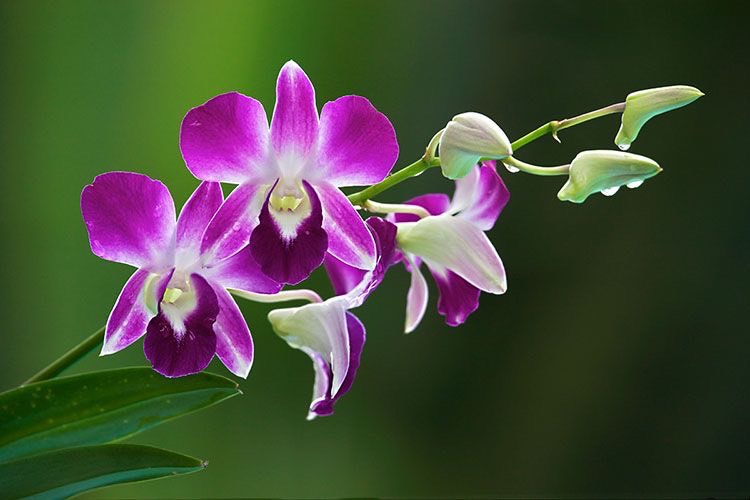
6. Orchid (Dok Gluay Mai / Orchidaceae)
The Orchid, or Dok Gluay Mai, signifies grace, wealth, and stability. It has long been associated with elegance, excellence, and high social status. Many believe that growing orchids brings positive energy, balance, and beauty to one’s home.
source: preserved-flower.biz
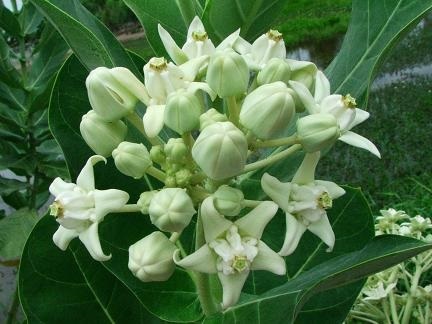
7. Crown Flower (Dok Rak / Calotropis gigantea)
Dok Rak, directly translated as “Love Flower,” represents honest love and strong bonds. It is traditionally used in garlands for weddings and important ceremonies, symbolizing sincere affection and harmony between partners.
source: nanagarden.com
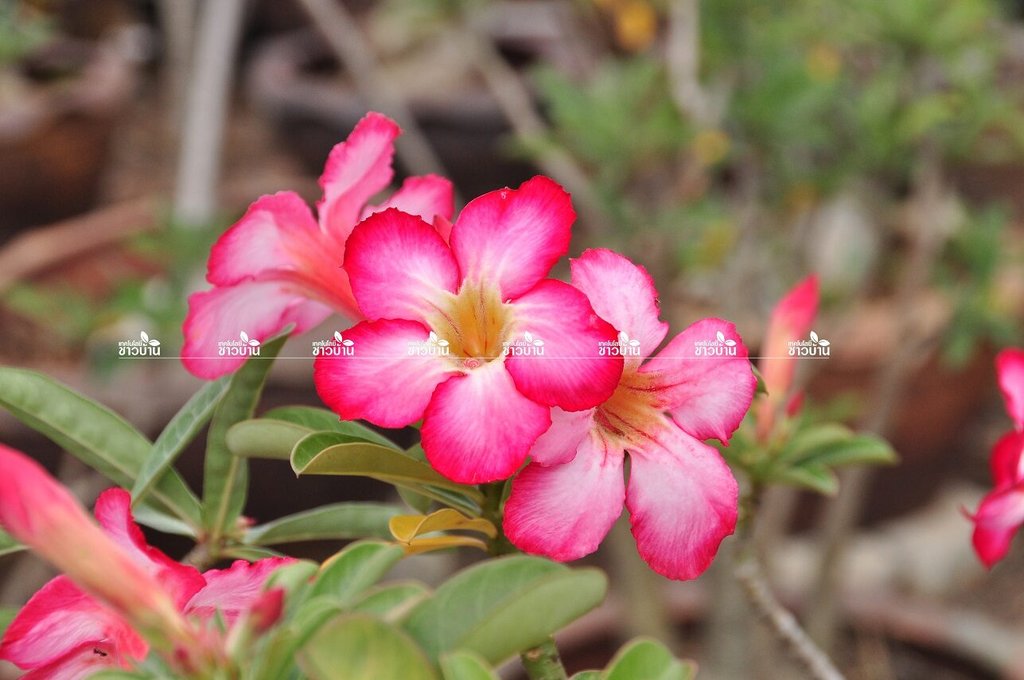
8. Desert Rose (Dok Chuan Chom / Adenium obesum)
Known as Dok Chuan Chom, the Desert Rose stands for admiration, charm, and popularity. Its name means “Inviting Admiration,” reflecting the belief that planting this flower enhances one’s charisma and helps them be loved and admired by others.
source: khaosod.co.th
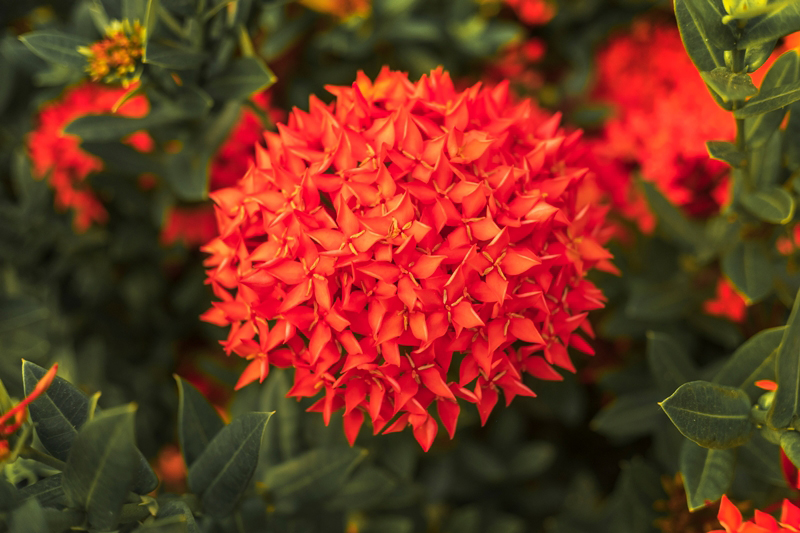
9. Ixora (Dok Khem / Ixora spp.)
Dok Khem represents sharp intellect and wisdom. The flower’s shape, resembling pointed needles, makes it a traditional offering during Wai Kru (Teacher Worship) ceremonies to express respect and wish for keen intelligence and learning ability.
source: khaosod.co.th
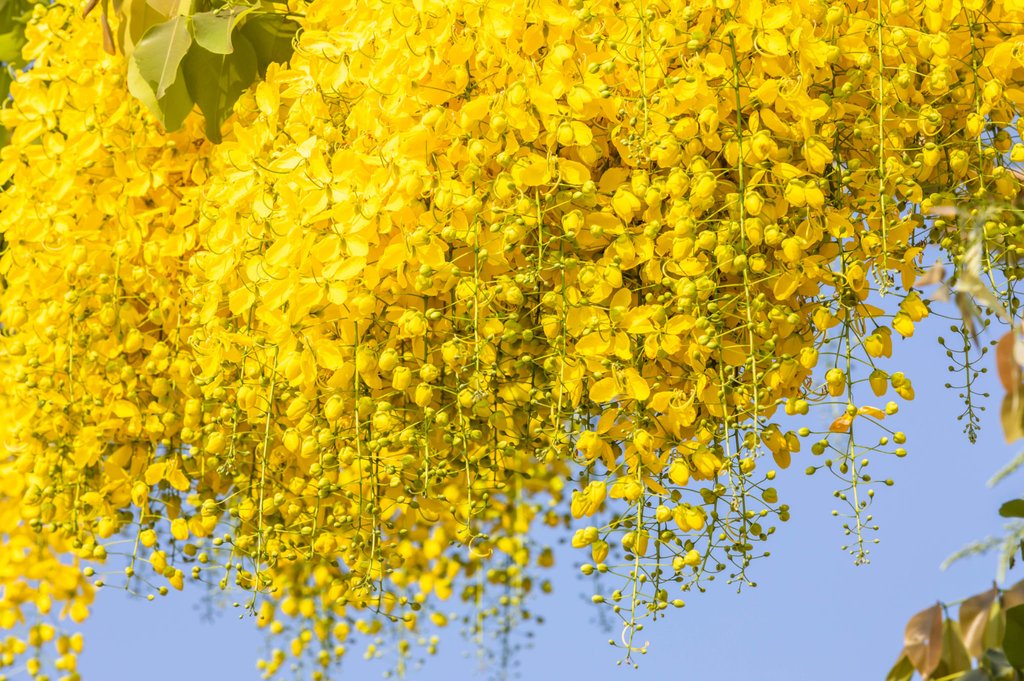
10. Golden Shower (Dok Rachapruek / Cassia fistula)
The Dok Rachapruek, Thailand’s national flower, symbolizes supreme honour and high social status. Its brilliant golden blossoms reflect prosperity and virtue, making it a beloved symbol of the nation and its royal heritage.
source: library.wu.ac.th
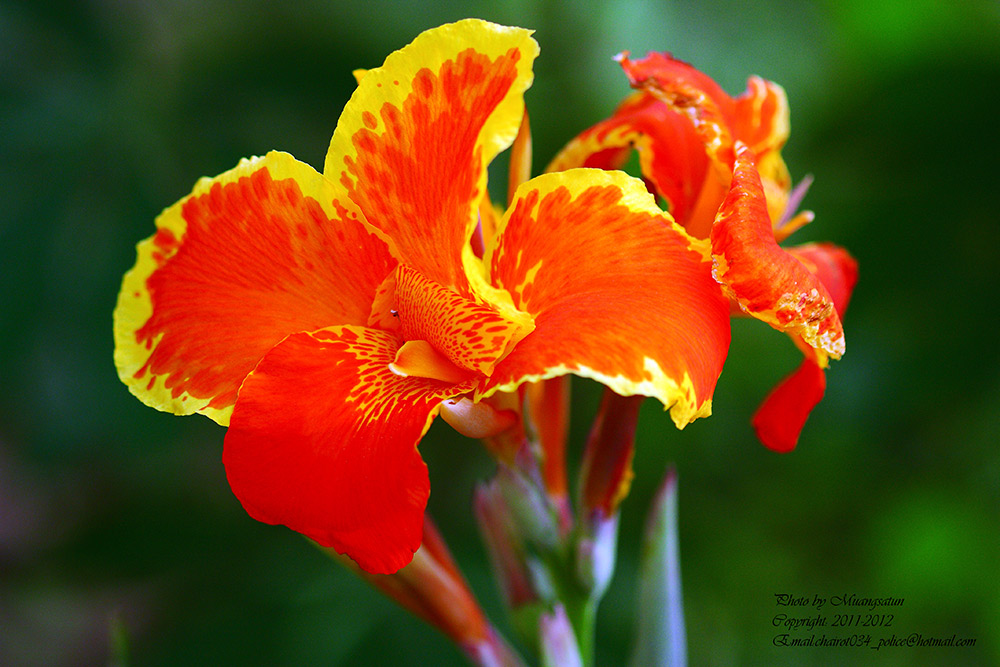
11. Canna Lily (Dok Phuttaraksa / Canna indica)
Dok Phuttaraksa, meaning “Buddha’s Protection,” symbolizes safety, peace, and calm. It is often used on Father’s Day to represent reverence and family harmony, believed to bring serenity and a sense of spiritual protection to the home.
source:apypoppy.wordpress.com
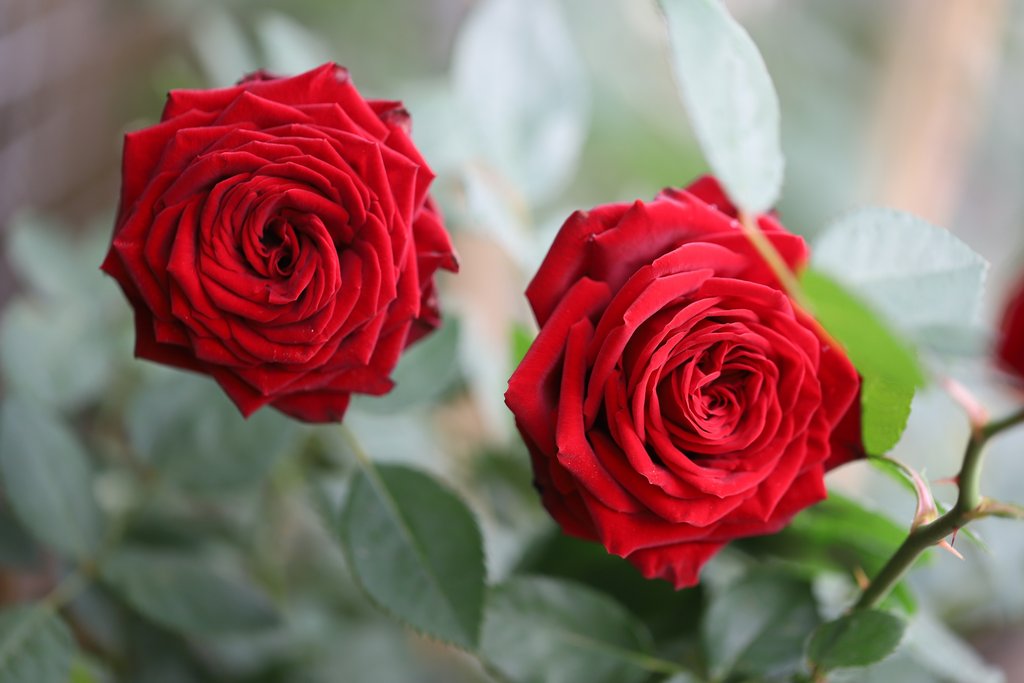
12. Rose (Dok Kulab / Rosa spp.)
Dok Kulab, or the rose, is universally known as the symbol of love, passion, and beauty. In Thai tradition, it is also thought to generate positive energy and attract success when planted, representing enduring affection and inspiration.
source: royalparkrajapruek.org
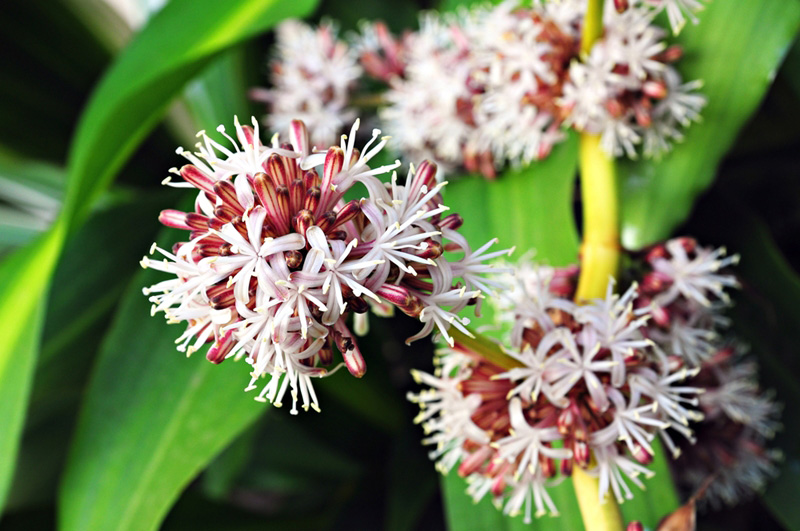
13. Corn Plant (Dok Wasana / Dracaena fragrans)
Dok Wasana, literally meaning “Fortune,” symbolizes luck and the fulfillment of wishes. A special belief surrounds this plant — when it blooms, it is said to bring great blessings and signal the arrival of good fortune for its owner.
source: kapook.com
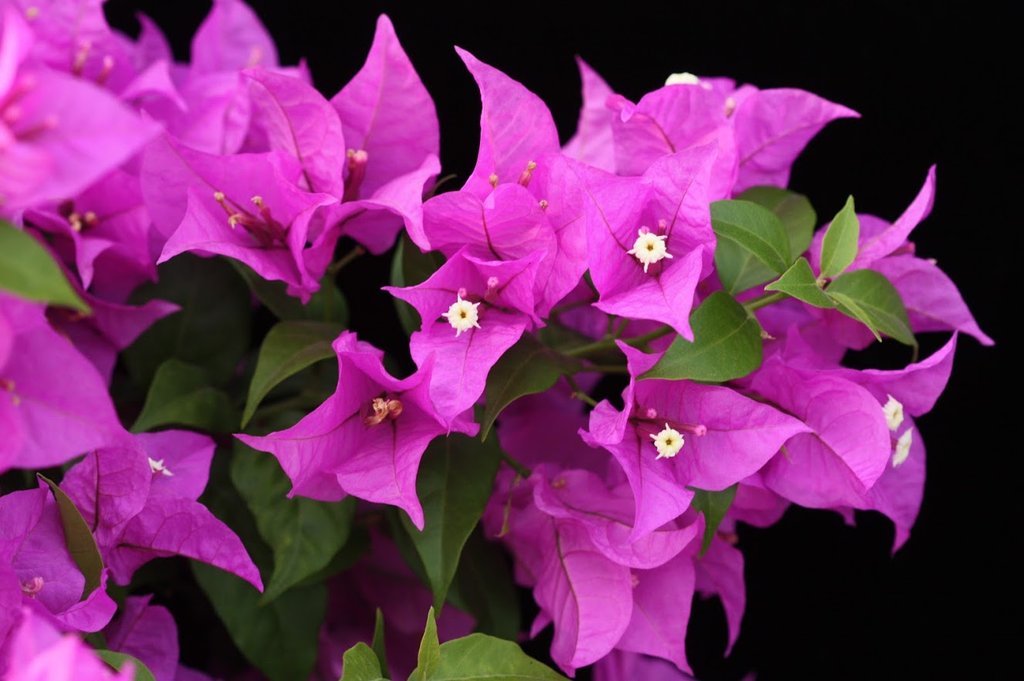
14. Bougainvillea (Dok Fueng Fah / Bougainvillea spectabilis)
The Dok Fueng Fah symbolizes flourishing life and constant advancement. Its vibrant colors and year-round blooming nature represent a life that is lively, enduring, and ever-prosperous, making it a popular auspicious plant for Thai homes.
source: nongnoochpattaya.com
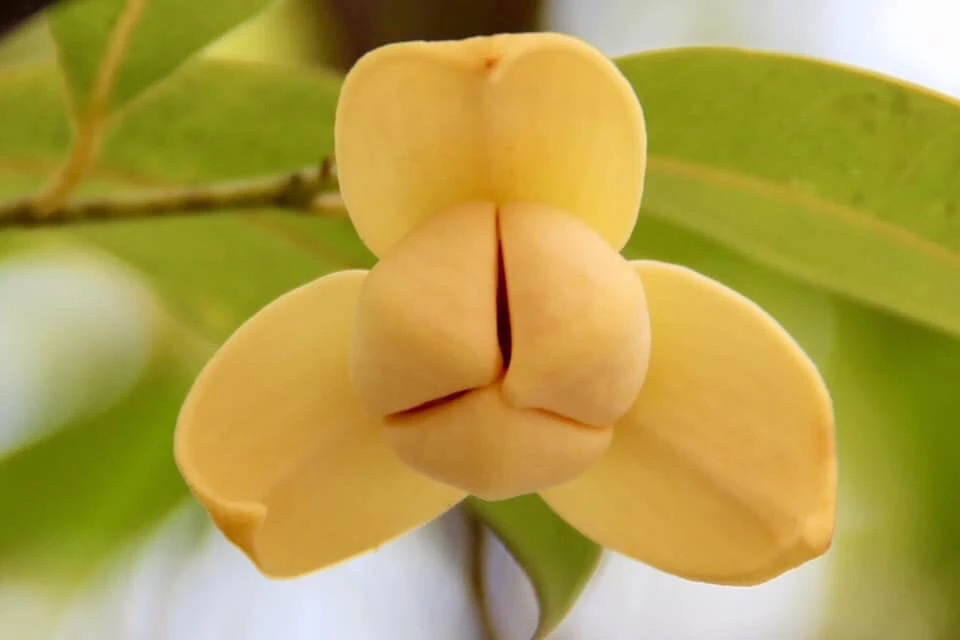
15. White Cheesewood (Dok Lamduan / Melodorum fruticosum)
Dok Lamduan is a fragrant, ancient Thai flower symbolizing enduring love and sweetness. Its subtle but long-lasting scent represents faithful affection and lasting emotional connection, often admired for both its elegance and timeless charm.
source: mgronline.com
Birth Flowers for Each Month in Thai Culture
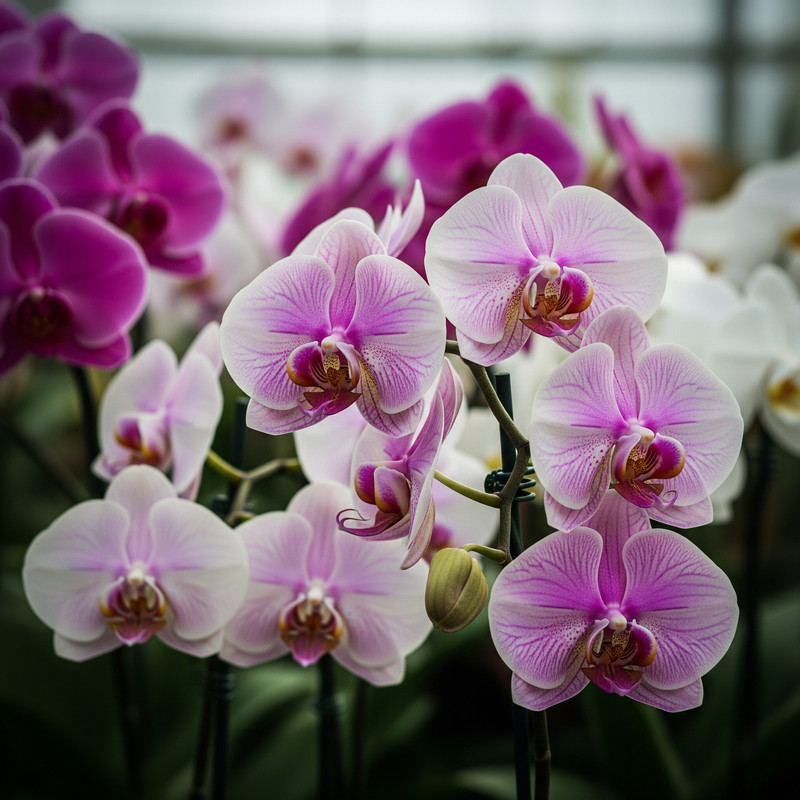
In Thai culture, each month of the year is associated with a specific flower, known as a birth flower. These flowers symbolize characteristics and meanings that reflect the personality of those born in that month.
|
Month |
Birth Flower |
Meaning |
|
January |
Orange Jessamine (Dok Kaew) |
Purity, simplicity, and gentleness |
|
February |
Crown Flower (Dok Rak) |
Loyalty and steadfast love |
|
March |
Golden Hibiscus (Dok Chaba Thong) |
Determination and warmth |
|
April |
Bread Flower (Dok Chammanat) |
Devotion and tenderness |
|
May |
Gardenia (Dok Phut) |
Strength and sincerity |
|
June |
Cork Tree Flower (Dok Peep) |
Compassion and selflessness |
|
July |
Orchid (Dok Kluai Mai) |
Elegance and sensitivity |
|
August |
Jasmine (Dok Mali) |
A mother’s love and kindness |
|
September |
Queen’s Wreath (Dok Phuang Kram) |
Romance and sweetness |
|
October |
Lotus (Dok Bua) |
Serenity and wisdom |
|
November |
White Champaca (Dok Champee) |
Purity and care |
|
December |
Rose (Dok Kulap) |
Love, passion, and confidence |
These flowers can serve as thoughtful inspirations for birthday gifts or meaningful expressions that reflect the personality of the recipient.
Rare and Ancient Thai Flowers
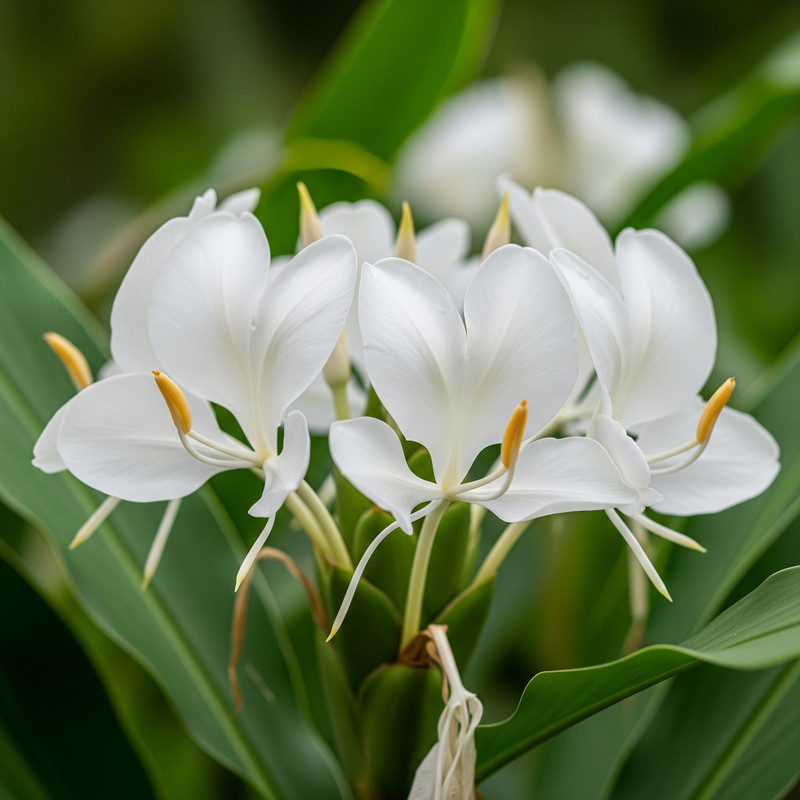
Many ancient Thai flowers were once deeply rooted in Thai culture, flourishing in traditional gardens and ceremonies. Today, however, some of these flowers are becoming increasingly rare. Many are connected to classical literature, cultural beliefs, and the way of life in old Siam.
1. Garawet (Cestrum nocturnum): Known for its strong fragrance at night, it once symbolized mysterious love and longing.
2. Night-blooming Jasmine (Dok Ratree): Releases a sweet scent in the evening, representing patient love and inner calm.
3. Lamduan (Melodorum fruticosum): Symbolizes gentleness and respect, often used to express love and gratitude toward elders.
4. Chamanat (Bread Flower): Has a delicate fragrance and was traditionally used in perfumes and ceremonial items.
5. Mahahong (White Ginger Lily): Elegant and fragrant, commonly used to decorate religious events and important ceremonies.
These ancient Thai flowers reflect the wisdom, grace, and refined aesthetic of past generations. They deserve to be preserved as part of Thailand’s cultural heritage.
Thai Fragrant Plants and Aromatic Flora
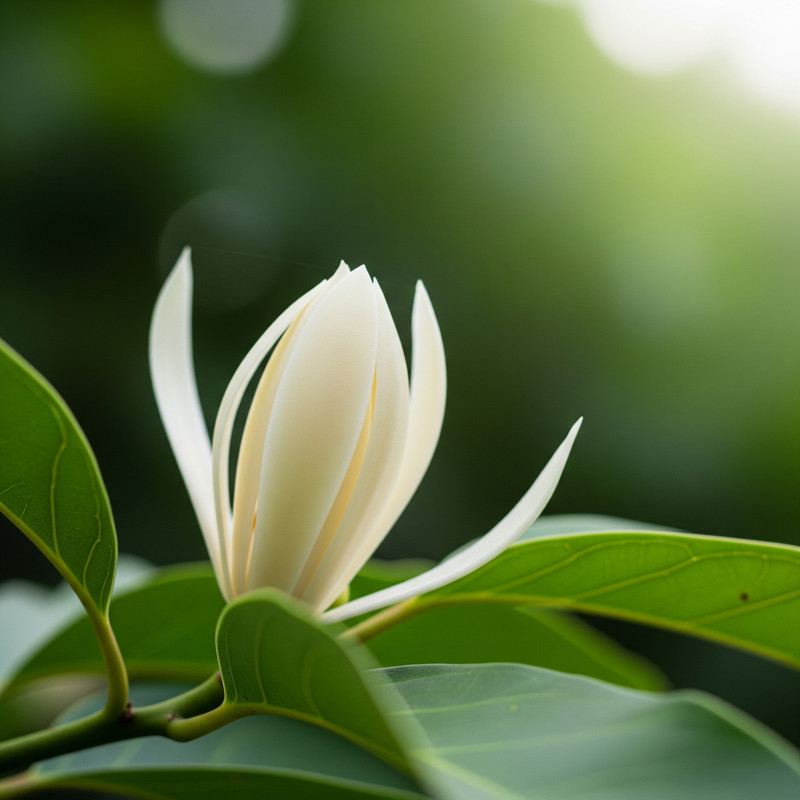
Thailand is home to a wide variety of fragrant plants, including those with aromatic flowers, leaves, and even roots. These plants are not only appreciated for beautifying homes and gardens, but have also been traditionally used in ceremonies, herbal remedies, and perfumery since ancient times.
Here are some popular Thai fragrant plants:
1. Pikun (Mimusops elengi): Small white blossoms with a sweet scent, often used in garlands and auspicious ceremonies.
2. Champaca (White Champaca or Dok Champi): Known for its strong fragrance, it's a popular ornamental flower often used in religious rituals.
3. Lamduan (Melodorum fruticosum): Delicate, mellow scent. Blooms in the late afternoon to evening, believed to bring good fortune.
4. Mahahong (White Ginger Lily): A herbaceous plant with soft white flowers and a scent reminiscent of vanilla.
5. Garawet (Cestrum nocturnum): Releases a strong fragrance at night, commonly found near temples and traditional Thai homes.
These Thai fragrant plants offer more than just natural aroma. They create a serene and pleasant atmosphere, making them perfect for home gardens or Thai style landscape designs.
Ways to Use Thai Flowers in Daily Life
Thai flowers are not limited to ceremonial uses or decoration. They are also widely used in everyday life. With their deep meanings and unique fragrances, these flowers are a beautiful way to express emotions without words.
How to use Thai flowers appropriately for each occasion:
Special gifts: For example, red roses on Valentine’s Day or jasmine flowers on Mother’s Day.
Celebrations and congratulations: Giving orchids to celebrate graduations or job promotions.
Apologies and asking for forgiveness: Using gardenias or lotuses, which represent sincerity and purity.
Religious and auspicious events: Flowers like marigolds, lotuses, and pikun are used in ordination ceremonies, merit-making, or funerals.
Home and office decoration: Using fragrant plants with relaxing scents such as lamduan, garawet, or mahahong.
By choosing Thai flowers with an understanding of their meanings and the right context, we can express emotions more deeply and create lasting impressions.
Summary: The Wisdom and Charm of Thai Flowers
Thai flowers are not only beautiful and fragrant, but they also represent cultural values, beliefs, and the deep connection between people and nature. Ancient Thai flowers, the language of flowers, and traditional fragrant plants are all forms of cultural heritage that reflect the refined tastes, sensitivity, and long-standing beliefs rooted in Thai society.
In today’s fast-paced world, reconnecting with the meaning of Thai flowers can be a way to restore inner balance and deepen our appreciation of Thai culture. By preserving and sharing this knowledge, Thai flowers will continue to bloom in the hearts of Thai people for generations to come.
For more in-depth knowledge about Thai flowers and various ancient Thai flowers, please visit:
- 19 Auspicious and Fragrant Flowers that Angels Love, Planting them for Good Fortune
- Fragrant Flowering Plants in Thai Culture
- 13 Thai Flower Meanings: What Each Flower Means
- The Meanings of 9 Thai Flowers to Express Good Feelings on Valentine's Day