Jasmine: The Flower that Symbolizes National Mother's Day in Thailand
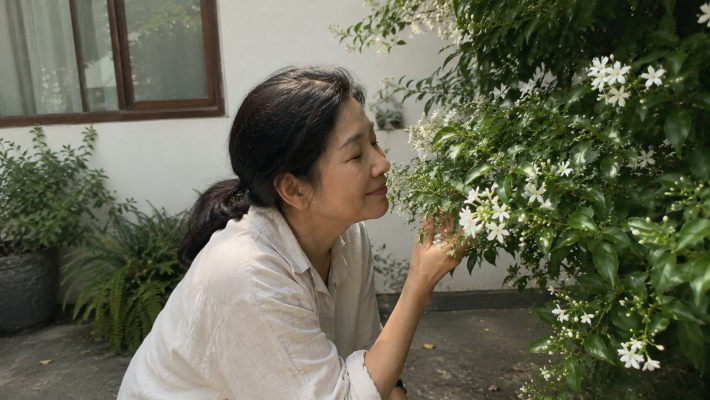
Each year on August 12, Thailand pauses to honor one of its most cherished holidays: National Mother’s Day. More than just a date on the calendar, this day celebrates the deep reverence Thai society holds for maternal figures.
Not only that, but August 12 is also the birthday of Her Majesty Queen Sirikit, considered the mother of the nation, marking this day both as a national holiday and as a poignant occasion for expressing affection towards mothers.
One of the central symbols of this heartfelt celebration is the beautiful jasmine flower, also known as dok mali. Every time Mother's Day comes around, the heavenly aroma of this flower lingers as loved ones offer these flowers to their mothers as a sign of love and appreciation.
Ever wondered why this flower is so deeply meaningful to Thais during Mother's Day? Keep reading our blog to find out more about this special bloom!

Jasmine: The botanical specifics
Jasmines are so well-loved all across Thailand, you're most likely already familiar with them! If you're not, you've probably seen it before, but just don't know it yet.
Jasmines are flowering plants that typically come in clusters and are commonly in the shade of white or light pink. They typically grow as a shrub or vine, with dark green, ovate leaves and clusters of lovely, fragrant flowers that bloom in summer. If you've ever smelled a jasmine, you're very likely to be drawn to its addicting scent—there's a reason why it's one of the most common notes used in fragrances!
Jasmine belongs to the genus Jasminum and is native to tropical and subtropical regions of South and Southeast Asia, including the Himalayan foothills. In Thailand, several varieties of jasmine are cultivated for both ornamental and ceremonial use.
Here are the five main jasmine varieties commonly used in Thailand:
- Jasminum sambac (Mali La): Known as single jasmine, this is the most popular variety for garlands due to its strong scent and symbolic purity.
- Jasminum multiflorum (Mali Lee): Recognized for its multiple blooms per stem and milder fragrance.
- Jasminum polyanthum (Mali Thot): This climbing variety is admired for its prolific flowering and decorative use.
- Jasminum grandiflorum (Mali Son): Known for its larger blossoms and subtle aroma, used in perfumery as well.
- Jasminum azoricum (Mali Pikun or Mali Chat): A rarer species with uniquely shaped flowers and foliage.
Historical and cultural origins of jasmine as a symbol
The history of the jasmine's revered status originates from Hindu-Buddhist traditions, where the flower was associated with divinity and virtue. In Hinduism, jasmine garlands were offered to deities such as Vishnu (Phra Narai), who represents compassion and sustenance. As these religious influences blended with Thai customs, jasmine took on a sacred role in various rituals and family ceremonies.
It was on 1976 (B.E. 2519) when jasmine was officially designated as the flower of National Mother’s Day, further cementing its position as a floral emblem of maternal devotion.

The meaning of jasmine as the the national flower of Mother's Day in Thailand
The visual and aromatic qualities of jasmine both contribute to its symbolic richness.
- The small, star-shaped white flowers are seen as a representation of a mother’s pure heart, untainted by selfish desires.
- Its sweet scent, long-lasting and gentle, evokes the enduring love and care mothers provide.
Central to Thai culture is the concept of katanyu, or filial piety: a child’s gratitude and duty toward their parents. Jasmine embodies this virtue, often featured in garlands (malai) that children present to their mothers as a sign of humility and love, often as they kneel in a gesture of respect. These acts become more than symbolic—they reflect a foundational cultural value that holds the family unit as sacred.
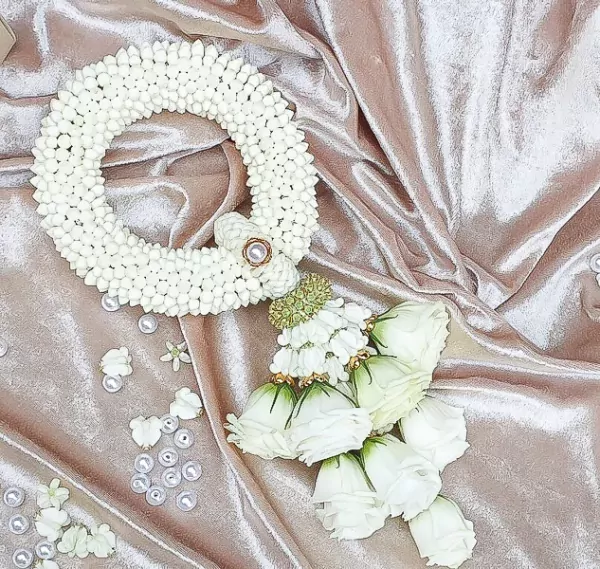 |
| Our Premium Fresh Malai is an example of a jasmine malai. |
Jasmine in other parts of Thai culture and traditions
Beyond this symbolic act, many Thai families also believe that having jasmine plants at home brings positive energy, peace, and harmony.
Jasmine garlands play a vital role in Thai rituals and customs! These garlands are intricately woven by hand, combining artistry with devotion. They are offered not just to mothers, but also to respected teachers, monks, and elders.
Many Thai households cultivate jasmine in their gardens or pots, believing the plant brings serenity and wards off negativity. Its presence is a quiet but powerful testament to the values of family, gratitude, and harmony.
Not only that, but the jasmine’s uses go far beyond symbolic gestures.
- Culturally, jasmine garlands are offered at temples, displayed in homes, and worn during ceremonies to attract good fortune and offer respect. The practice of using jasmine-infused water is also common in cermonial settings, such as cleansing rituals.
- Medicinally, jasmine has been used in herbal teas to aid in relaxation, while its roots and leaves carry mild antifungal and antiseptic properties.
- Commercially, the flower is essential in perfume production, aromatherapy oils, and even Thai desserts or beverages like jasmine-infused coconut jelly.
Contemporary jasmine gift ideas for Mother's Day
While traditional garlands remain popular, modern interpretations of jasmine-themed gifts are increasingly common. Some examples are:
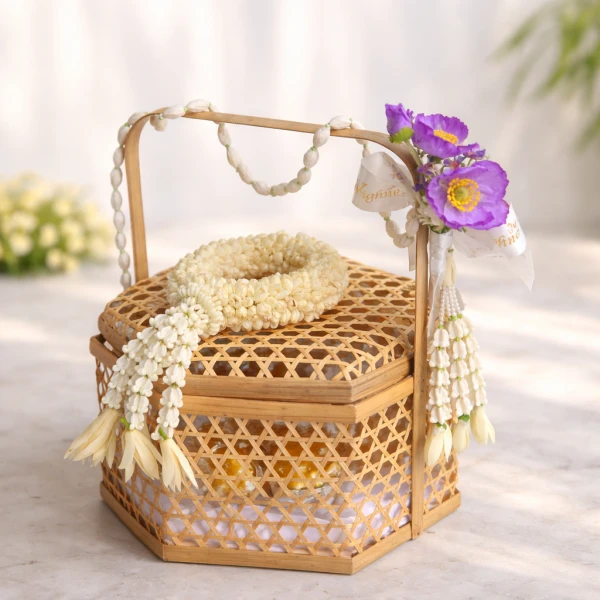
- Decorative box sets containing dried jasmine flowers, scented candles, and essential oils. This Jasmine Garland Heritage Sondkran Basket is a chalom containing different goods, decorated with a jasmine malai and other flowers.
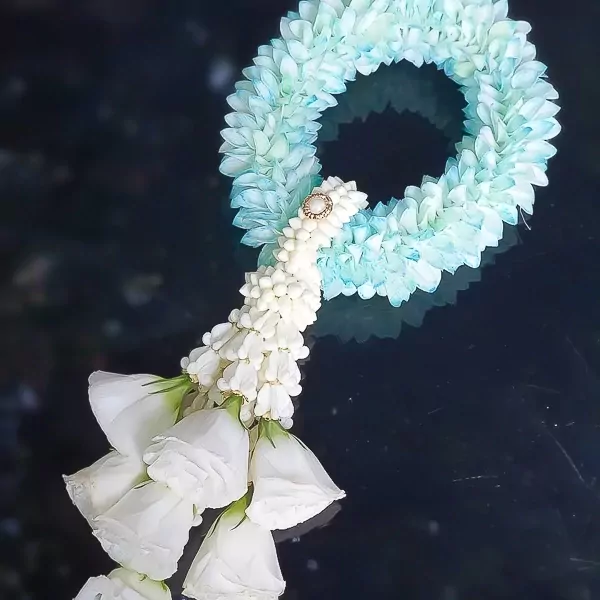
- Floral arrangements that pair jasmine with other blooms like roses or lilies for visual appeal. Our Glad Malai, made to celebrate mom on this special day, is made of jasmine flowers, accented with blue decorative petals and pure white roses at the base, creating an elegant combination.
- Handmade crafts such as jasmine-scented soaps and bath products.
- Jewelry inspired by jasmine motifs, such as pendants or brooches.
More reads: Mother's Day flowers all around the world!
While jasmine is unique to Thailand’s Mother’s Day, other countries celebrate their maternal figures with different flowers, each carrying its own symbolism:
- China: The lily is commonly gifted, symbolizing the easing of pain and maternal devotion.
- United States: Carnations are traditional pink for living mothers and white for those who have passed.
- Japan: Similar to the U.S., carnations are seen as symbols of admiration and enduring love.
- Canada: Roses, especially red and white, are given to symbolize both living love and remembrance.
- Australia: Chrysanthemums are favored, partly because they bloom in May and the word ends with "mum."
- Philippines: The Cadena De Amor, a pink flower, symbolizes the unbreakable bond of love between mother and child.
In Thailand, the jasmine flower is a living symbol of Thailand’s most cherished ideals: purity, love, and respect for one’s parents. Its sweet fragrance, delicate petals, and spiritual symbolism make it the perfect tribute for National Mother’s Day.
Whether through traditional garlands or modern gift sets, jasmine continues to bridge generations, expressing sentiments that words often cannot. Truly, this beautiful flower remains the heart of Thai Mother’s Day and a timeless expression of maternal love that transcends eras and continues to blossom year after year.
Planning to show mom your love with jasmines? Check out our collection of jasmines especially made for Mother's Day!